

Presidency dismisses Obi’s call for Tinubu’s resignation
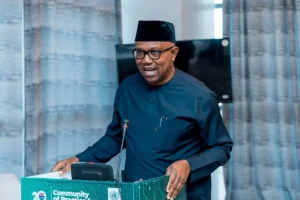 The Presidency has rejected Peter Obi’s call for President Bola Tinubu to resign, describing the demand as “childish, hollow and an unworthy distraction.”
In a statement issued on Monday by the President’s Special Adviser on Information and Strategy, Bayo Onanuga, the Presidency said Obi’s comparison of Tinubu’s administration with the resignation of UK Prime Minister Keir Starmer was misplaced, noting that Nigeria operates a presidential system with a fixed four-year tenure, unlike Britain’s parliamentary system.
The Presidency also argued that the recent victories recorded by the All Progressives Congress (APC) in the Ekiti governorship election and several senatorial by-elections reflected continued public support for President Tinubu and his administration.
Defending the government’s performance, the statement highlighted improvements in security, claiming that over 15,000 terrorists had been eliminated, hundreds of abducted victims rescued, and several terrorist leaders neutralised through ongoing military operations.
On the economy, the Presidency said Nigeria has recorded positive GDP growth since 2023, rising oil production, increased foreign reserves, higher government revenue and improved investor confidence. It also pointed to the absence of nationwide university strikes over the past three years as one of the administration’s achievements.
The statement further accused Obi of misrepresenting Tinubu’s campaign promises on electricity, insisting the President never pledged to provide 24-hour power supply immediately but had initiated reforms, including the implementation of the Electricity Act and expansion of prepaid meter and off-grid solar projects.
While acknowledging that the rising cost of living remains a challenge, the Presidency attributed part of the economic pressure to global factors, including the Middle East conflict and disruptions to international supply chains.
Earlier on Monday, Obi had urged Tinubu to resign, citing worsening economic hardship and insecurity. He said his position was influenced by the resignation announcement of British Prime Minister Keir Starmer, arguing that leaders should take responsibility when they fail to meet public expectations.