

Presidency Seeks Private Sector Support for State Police as More States Endorse Bill
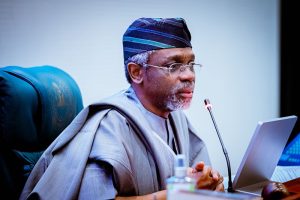 The Presidency has urged the organised private sector to support the funding and implementation of state police as more state Houses of Assembly endorse the proposed constitutional amendment for its establishment.
The Chief of Staff to President Bola Tinubu, Femi Gbajabiamila, said private sector participation would help make the proposed policing system effective, stressing that contributions must be transparent and independently audited to prevent undue influence over police investigations.
The latest endorsements by Lagos, Sokoto and Jigawa states brought the number of state assemblies that had approved the constitutional amendment to 28, according to the figures provided.
Gbajabiamila, who chairs the Presidential Working Group on the National Policing Bill, made the appeal on Monday during a panel session on “Security, Stability and Economic Resilience” at the 32nd Nigerian Economic Summit in Abuja.
He disclosed that the working group had submitted the draft National Policing Bill and 29 consequential amendment bills to the Federal Ministry of Justice for review before they are forwarded to President Tinubu and subsequently transmitted to the National Assembly.
Gbajabiamila urged business associations and chambers of commerce to publicly support the reform and engage state governors and lawmakers on its implementation.
He argued that the cost of Nigeria’s existing security challenges was already being borne by businesses through spending on private security and disruptions to deliveries.
“I ask the organised private sector to support President Tinubu and this administration in carrying these reforms through,” he said.
“State police, in particular, deserves your active support because its success will affect the future of businesses represented in this room.”
He said the proposed reform had reached a critical stage, adding that 24 state Houses of Assembly had approved the constitutional amendment as of October 23.
Gbajabiamila explained that the framework was designed to give states greater responsibility for policing while maintaining national professional standards and independent oversight.
He said safeguards had also been incorporated to address concerns that state police could be used against political opponents or vulnerable communities.
On funding, he stressed that states seeking to establish their own police services must demonstrate the capacity to sustain them beyond the initial purchase of vehicles, uniforms and equipment.
He said regular salaries and continuous training were essential to maintaining professionalism, adding that states not financially prepared to establish their own police services could continue to rely on the federal police structure.
The Chief of Staff specifically urged the Nigerian Economic Summit Group to develop a private sector position paper proposing accountable partnerships for financing and implementing state police.
He said private sector contributions could support communications systems, equipment maintenance and long-term financial planning for state police services.
However, he warned that such contributions must not compromise police independence.
“A donation must never purchase influence over an investigation or preferential treatment,” he said.
Gbajabiamila linked the proposed reform to the administration’s wider economic agenda, including fuel subsidy removal, foreign exchange reforms and tax reforms, arguing that businesses needed a secure environment to operate effectively.
He also highlighted security investments by the administration, including the induction of new helicopters into Army Aviation, the return of more than 100 refurbished armoured fighting vehicles to service and the commissioning of three additional naval vessels in June to combat crude oil theft.
Other measures he cited included deploying 10,000 Agro-Rangers across 19 states and the Federal Capital Territory, as well as training more than 7,000 Presidential Forest Guards drawn from seven frontline states.
He further disclosed that Tinubu had directed the preparation of a National Threat Assessment and a rolling five-year Strategic Defence Operations Plan in August to guide security spending and strengthen accountability.
Sokoto Assembly Passes State Police Bill
Meanwhile, the Sokoto State House of Assembly on Tuesday unanimously passed the State Police Bill during plenary presided over by Speaker Tukur Bodinga.
Confirming the development, Bodinga said the House had passed the bill and promised to issue an official statement detailing the decision.
“Yes, we passed the bill today. You will see the statement any moment from now,” he said.
Jigawa Assembly Endorses State Police
Similarly, the Jigawa State House of Assembly endorsed the establishment of state police, declaring that states needed greater responsibility for addressing their security challenges.
The endorsement was made during plenary at the Assembly Complex in Dutse, presided over by Speaker Haruna Dangyatim.
Dangyatim said lawmakers had critically examined the bill and considered it to be in the best interest of Jigawa State and Nigeria.
He explained that the proposal fell under the Sixth Alteration to the Constitution of the Federal Republic of Nigeria 1999.
“We have done the needful and endorsed the State Police Bill because our people need security that is close to them,” the Speaker said.
He argued that the current centralised policing system had struggled to address local security challenges, particularly in rural communities.
“The Nigeria Police as presently constituted is overstretched, so state police will bring policing closer to the people and address our peculiar challenges,” he added.
Dangyatim said the Assembly had acted within the 30-day period provided for state legislatures to consider and concur with the proposed constitutional amendment.
The growing number of endorsements marks progress towards the proposed constitutional change, although the framework’s eventual implementation will depend on completing the constitutional amendment process and establishing the necessary legal and operational arrangements.