

Tinubu: Harshest phase of economic reforms is over
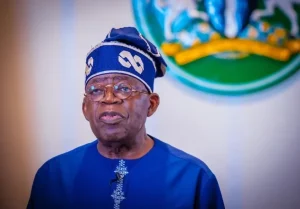 President Bola Tinubu has declared that the most difficult phase of his administration’s economic reforms is over, saying Nigeria has moved from an “age of reform” into an “age of prosperity.”
Tinubu stated this in his Independence Day broadcast on Thursday, marking Nigeria’s 66th anniversary and delivering the address with the theme, “From Reform to Prosperity.”
The President defended the removal of petrol subsidy and the unification of the naira exchange rate, arguing that the reforms were necessary to address longstanding weaknesses in the economy.
Using a medical analogy, Tinubu likened Nigeria to a patient diagnosed with cancer who had to choose between painful treatment and temporary relief.
“For too long, Nigeria’s leaders chose morphine while praying for a miracle that never came,” he said.
The President also warned Nigerians against what he described as calls to return to petrol subsidy ahead of the 2027 general elections.
He said the government must resist what he called the “siren song” of returning to subsidy payments and remain focused on the reforms.
“Our reforms did not create the weaknesses in our economy. They confronted them,” Tinubu said.
According to the President, Nigeria’s economy grew by more than four per cent in 2026, with both the oil and non-oil sectors contributing to the growth.
He also said oil theft had declined, inflation had fallen from its peak, foreign reserves had increased and the foreign exchange market had stabilised.
Tinubu disclosed that Nigeria recorded more than six billion dollars in non-oil export revenue in 2025, describing it as the country’s highest-ever figure.
He said the focus of his administration would now shift from economic stabilisation to delivering “shared and widespread prosperity.”
“The emergency treatment is over. The foundation has been repaired,” he said.
Tinubu said the government would focus on reducing the cost of producing and transporting goods through investments in agriculture, irrigation, mechanisation, storage, roads, railways and ports.
He also pledged greater emphasis on job creation, enterprise and industrial development, including the use of domestic gas to power industries, revival of factories, expansion of digital connectivity and investment in skills.
“I want to see more Nigerians making things. I want to see more Nigerian farms feeding our cities and supplying our factories. I want to see Nigerian businesses selling Nigerian goods to the whole world,” he said.
Addressing concerns over the cost of living, the President said his administration was strengthening social support programmes and improving the National Social Register to better reach vulnerable Nigerians.
He also highlighted the Nigerian Education Loan Fund, NELFUND, and CREDICORP as measures aimed at expanding access to education and consumer credit.
Tinubu said salaries and pensions had been paid on time and in full since 2023 and that reforms to the national pension programme were benefiting retirees and vulnerable citizens.
“These programmes are not substitutes for prosperity. They are a bridge,” he said.
The President concluded by comparing Nigeria’s economic journey to the biblical exodus of the Israelites from Egypt, urging Nigerians to continue moving forward.
“Nigeria has corrected its course. We have passed through our own Red Sea. This is not the time to look back,” Tinubu said.