

Iran offers to reopen Strait of Hormuz, resume nuclear talks
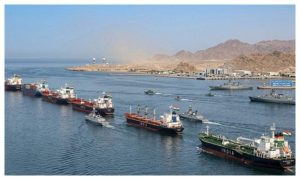 Iran has offered to reopen the Strait of Hormuz and resume negotiations over its nuclear programme within seven days if the United States lifts its naval blockade, eases sanctions on Iranian oil sales and agrees to a ceasefire that includes Lebanon.
Iranian Foreign Minister Abbas Araghchi presented the proposal during a private meeting on Thursday on the sidelines of the United Nations General Assembly in New York.
Araghchi said the proposal had been conveyed to the United States through intermediaries.
“We have introduced a plan to the United States through the intermediaries that if certain conditions are met, the Strait of Hormuz would be open on the end of the seventh day and talks would restart,” he said.
Trita Parsi, executive vice president of the Quincy Institute, who attended the meeting, said Araghchi suggested that a swift agreement could also benefit US President Donald Trump ahead of the November midterm elections.
However, there was no immediate response from Iran’s UN mission or other Iranian officials confirming details beyond Araghchi’s public remarks.
The proposal is similar to an agreement reached in June, although the latest plan sets a much shorter timeline. The previous arrangement provided for a 60-day period but later collapsed amid renewed fighting and attacks on shipping.
Trump has previously said he was not in a hurry to reach an agreement with Iran.
The Strait of Hormuz remains strategically important to global energy markets, while prolonged disruption could contribute to higher oil prices and increase pressure on inflation and household costs.
The proposal could also face opposition within Iran, where questions remain over whether hard-line elements within the security establishment would accept compromises supported by more moderate officials, including President Masoud Pezeshkian.
Parsi said there remained significant suspicion surrounding the proposal, particularly concerns that an agreement could allow Iran to increase oil exports and reduce the impact of US sanctions on its economy.