

Tinubu-backed CNG tricycle scheme targets Nigerian youths
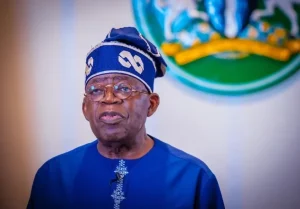 President Bola Tinubu has commenced the distribution of Compressed Natural Gas-powered tricycles to Nigerian youths under a subsidised loan repayment scheme.
The initiative is aimed at helping to reduce the impact of rising transportation costs linked to increased fuel prices while providing young Nigerians with productive assets and income opportunities.
Speaking in Yola on Wednesday during the distribution exercise, the Managing Director of principal partners Sub City to Credi Corporation, Imam Umar, said the programme was aligned with the Renewed Hope Agenda’s focus on youth empowerment, entrepreneurship and job creation.
Umar said the initiative would provide beneficiaries with tricycles on an instalment payment arrangement, allowing them to own productive assets, generate income and create employment.
“Today, we are here to support our young people by providing tricycles on an instalment payment arrangement, giving beneficiaries the opportunity to own productive assets, create employment opportunities, generate income, and build a more sustainable future for themselves and their families,” he said.
He urged beneficiaries to use the tricycles responsibly, comply with the terms of the programme and make timely instalment payments so that more young Nigerians could benefit.
Representing Governor Ahmadu Fintiri, the Commissioner for Transportation, Mrs Rumpe Anthony, commended CREDICORP for facilitating access to the CNG-powered tricycles for youths in Adamawa State.
Anthony said CREDICORP had enabled more than 300,000 Nigerians to access consumer credit for productive and essential assets, including vehicles, digital devices, solar solutions and work tools.
She described the CNG tricycle scheme as an example of how government, financial institutions, manufacturers, vendors and beneficiaries could collaborate to expand access to productive assets.
According to her, affordable credit could enable young people to acquire assets, earn income, establish businesses and improve the welfare of their families.
Anthony also said the adoption of CNG-powered transport could support the transition towards cleaner and potentially more efficient mobility while meeting the needs of transport operators.
“For a state like Adamawa, where transportation plays a critical role in connecting communities, markets, businesses and households, embracing cleaner mobility solutions is part of preparing for the future,” she said.
She added that the CNG rollout formed part of a broader effort to develop a transportation system that is more affordable, sustainable and responsive to the needs of Nigerians.