

Bolivia Ends Diesel Subsidy as IMF Loan Deal Takes Effect
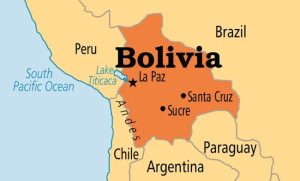 Bolivia has announced the removal of its diesel subsidy after Congress approved a multi-million-dollar loan from the International Monetary Fund (IMF) to help stabilise the country’s finances.
The decision comes as Bolivia faces its worst economic crisis in four decades, with subsidised fuel placing pressure on the government’s foreign currency reserves.
The government imports gasoline and diesel at international prices before selling them domestically at lower prices.
President Rodrigo Paz announced the diesel subsidy removal in a televised address on Friday.
“We have decided that, starting today, diesel will cost the same as what we pay to purchase it abroad,” Paz said.
The government said it had agreed with the IMF to end all fuel subsidies by 2027 under a $1.9 billion bailout programme.
The loan conditions include ending fuel subsidies, which the IMF and Bolivian government have linked to pressure on the country’s currency reserves and its ability to finance fuel and other essential imports.
A decision on gasoline subsidies remains pending.
Paz had announced shortly after assuming office in November that his administration would remove fuel subsidies and align domestic prices with international market prices.
However, after global oil prices increased amid the US-Israel conflict with Iran, the government resumed subsidising part of the cost.
The IMF agreement is expected to prevent the government from maintaining artificially low fuel prices.
To cushion the impact of the policy, the government plans to increase spending on selected social programmes.
Paz recently doubled diesel prices for large consumers, including farmers, citing fuel smuggling across Bolivia’s borders as a major contributor to shortages.
The increase triggered protests, although the country has not yet seen a return of the mass demonstrations and road blockades that disrupted parts of Bolivia in May and June.