

Biya’s prolonged absence revives power vacuum concerns in Cameroon
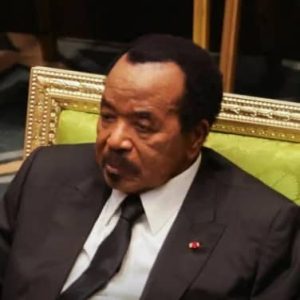 Cameroon’s opposition parties have renewed concerns over a possible power vacuum following the prolonged absence of President Paul Biya, who has been in Switzerland since early June.
As of Saturday, the 93-year-old president, who has ruled Cameroon for more than four decades, has been out of the country for 48 days.
An official statement said Biya travelled to Europe on June 7 for a “short, private stay” with his wife, Chantal Biya.
The president’s frequent trips abroad, particularly to Geneva, have often fuelled speculation about his health. On June 18, Communications Minister René Emmanuel Sadi dismissed reports that Biya had been hospitalised in a clinic in Geneva.
Despite the government’s assurances, opposition figures say the president’s continued absence highlights a leadership gap.
Vice-President of the Cameroon Renaissance Movement (MRC), Mamadou Mota, described the situation as a “glaring institutional vacuum.”
Earlier this month, the leader of the Cameroon Democratic Union (UDC), Patricia Tomaino Ndam Njoya, called on the government to establish an impartial process for determining the temporary or permanent incapacity of a sitting president.
However, Minister of Higher Education and senior ruling party official, Jacques Fame Ndongo, rejected suggestions of a power vacuum.
“Wherever he is, the head of state is meticulously following the files submitted to him by his aides,” he said.
Questions over governance have resurfaced as Biya is yet to appoint a new government despite promising in a December 31 national address that a cabinet reshuffle would be announced “in the coming days.”
His re-election for an eighth term in October sparked protests that were violently suppressed, with the government acknowledging that several dozen people were killed.
Political analysts say delays in forming a new government, repeated postponement of municipal and legislative elections, and the absence of an appointed vice-president have heightened uncertainty over the country’s political future.
Cameroon recently amended its constitution to create the office of vice-president, but no appointment has been made.
Political scientist Stéphane Akoa said reports of divisions within the president’s inner circle have intensified, while speculation has also grown over the increasing influence of First Lady Chantal Biya in state affairs.
Under Cameroon’s constitutional succession arrangements, Senate President Aboubakary Abdoulaye would assume interim leadership if the presidency becomes vacant until a presidential election is conducted.