

PFIPC scandal deepens as police arrest alleged fake DG’s father — Falana
 The controversy surrounding the alleged Presidential Foreign Intervention Promotion Council (PFIPC) took a fresh turn on Monday after police operatives reportedly arrested the father of Prince Adeyemi Adeniyi, the central figure in the ongoing forgery investigation linked to the purported council.
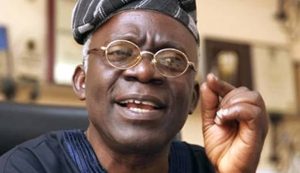
According to human rights lawyer and Senior Advocate of Nigeria, Femi Falana, police officers stormed the family residence in Ogbomoso, Oyo State, and arrested Adeniyi’s father alongside a family friend who was visiting at the time.
Falana, who confirmed the development in a telephone interview with journalists, questioned the legality of the arrest.
“Police have now stormed the house of the parents of Prince Adeyemi Adeniyi. The father has been arrested. There is no legal basis for substituted arrests. The young man has promised to show up in court, so why arrest his father?” he said.
Eyewitnesses also confirmed the incident, alleging that police officers arrived in four vehicles before taking the elderly man into custody.
A neighbour, who spoke on condition of anonymity, claimed the officers prevented residents from intervening.
“They came with four vehicles, started harassing the family and eventually took the father away. They did not allow neighbours to intervene before leaving,” the source said.
Another resident said Adeniyi’s father was arrested alongside a visitor, while his elderly mother, who was reportedly left in shock, was later moved to a safer location by neighbours.
The PFIPC controversy has attracted nationwide attention following allegations that the council was never legally established despite claims that it operated under the Presidency.
The case has led to criminal charges against Adeniyi over alleged forgery, impersonation and related offences, with the matter currently before the court.
Falana has consistently maintained that the allegations should be resolved through due process, arguing that only the courts have the constitutional authority to determine criminal liability.
He also warned against actions that could create the impression of intimidation or interference while the case remains before the court.