

Diezani tells UK court she acted as ‘rubber stamp’ in oil contract approvals
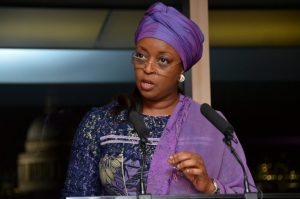 Former Minister of Petroleum Resources, Diezani Alison-Madueke, has told a United Kingdom court that her role in approving oil contracts was largely procedural, insisting that key decisions were made before documents reached her desk.
Testifying at the Southwark Crown Court, Alison-Madueke said the structure of Nigeria’s oil industry limited her direct control, with operational authority largely exercised by the leadership of the Nigerian National Petroleum Corporation (NNPC).
“The system was already in motion before files came to me,” she said, adding that the complexity of the sector made detailed ministerial oversight difficult.
She acknowledged that she rarely rejected contract approvals, noting that recommendations had typically passed through technical and regulatory scrutiny.
“I was, in many instances, a rubber stamp in the process,” she told the court.
The former minister also recounted a 2014 incident involving a crude oil lifting arrangement allegedly linked to businessman Igho Sanomi, which she said she moved to cancel after a whistleblower report.
However, she claimed the decision faced resistance from powerful interests, with complaints escalated to then President Goodluck Jonathan.
On allegations of missing oil revenues, Alison-Madueke dismissed claims by former Central Bank Governor Lamido Sanusi that $20 billion was unaccounted for.
“There were no missing funds as widely reported,” she said, attributing the figures to subsidy payments and operational costs based on subsequent audits and reviews.
She admitted that investigations during her tenure uncovered widespread abuse in the fuel subsidy regime, including multiple claims by some marketers, adding that reforms were introduced to reduce fraudulent payouts.
Alison-Madueke further told the court that her actions attracted threats, including the abduction of family members, which she linked to efforts to confront entrenched interests in the sector.
“I declined requests that did not follow due process,” she said, while also alleging pressure from political and business figures seeking preferential treatment.
Addressing questions on her finances, she said she relied on Nigerian-issued bank cards in line with regulations, noting occasional challenges during overseas transactions.
The court also reviewed records of her official travels between 2011 and 2015, which she said were fully documented.
Alison-Madueke is standing trial alongside Olatimbo Ayinde and Doye Agama on a five-count charge bordering on bribery. All defendants have pleaded not guilty, with proceedings ongoing.