

Falana faults planned electricity tariff hike, urges FG to improve power supply first
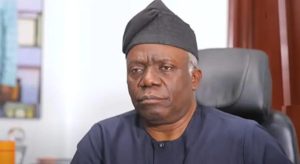 Human rights lawyer and Senior Advocate of Nigeria (SAN), Femi Falana, has criticised the Federal Government’s proposed increase in electricity tariffs, saying Nigerians should not bear the consequences of years of policy failures in the power sector.
Speaking with journalists in Ilawe-Ekiti, Ekiti State, Falana said the government must first deliver on its promise of stable and uninterrupted electricity supply before considering any tariff increase.
According to him, President Bola Tinubu pledged to improve electricity supply during his election campaign, stressing that Nigerians deserve reliable power rather than higher bills for poor service.
“The government should provide uninterrupted electricity. That was a promise made by President Bola Tinubu when he was a candidate,” Falana said.
The senior advocate also faulted what he described as the government’s attempt to distance itself from the electricity sector following the privatisation of electricity distribution companies (DisCos).
He argued that the government cannot absolve itself of responsibility while Nigerians continue to endure inadequate electricity supply from private operators.
Falana further alleged that many owners of electricity distribution companies have close ties with government officials, warning that such relationships should not shield the firms from accountability.
He urged the Federal Government to either ensure the distribution companies operate efficiently or consider taking back control of them if the current privatisation arrangement has failed to deliver improved electricity supply.
“If the privatised firms cannot meet expectations, the government should ensure they function effectively or nationalise them in the interest of Nigerians,” he said.
Falana maintained that the priority should be reforms that strengthen electricity generation, transmission and distribution rather than imposing additional financial burdens on consumers.