

Ramaphosa says no place for xenophobia in South Africa amid rising tensions
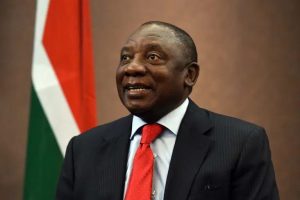 South African President Cyril Ramaphosa has said there is “no place in South Africa for xenophobia, ethnic mobilisation, intolerance or violence,” as concerns grow across the continent over recent anti-immigrant incidents in the country.
In an open letter released by his office on Monday, Ramaphosa said recent violent protests and attacks targeting foreign nationals do not reflect the views of South Africans or government policy.
He said the unrest had been driven by “opportunists” who were exploiting legitimate grievances, particularly among poorer communities, under the guise of community activism.
“The recent violent protests and criminal acts directed at foreign nationals in parts of our country do not represent the views of South Africa’s people nor reflect our government’s policy,” he said.
The remarks come after a series of demonstrations in several South African cities in recent weeks, where protesters demanded stricter action against undocumented migrants. In some cases, calls were also made to deny foreign nationals access to public healthcare services.
The developments have triggered diplomatic reactions from Nigeria and Ghana, both of which have expressed concern over the safety of their citizens in South Africa. Nigeria has already announced plans for emergency repatriation flights for some nationals.
Ramaphosa acknowledged public frustrations over undocumented migration, saying it places pressure on healthcare, housing and municipal services, particularly in low-income communities.
He also accused some employers of taking advantage of undocumented migrants by paying lower wages instead of hiring local workers.
South Africa is currently experiencing heightened political activity ahead of local elections scheduled for November, with tensions over immigration increasingly featuring in public discourse.
Ramaphosa stressed that while immigration challenges must be addressed, it must be done “decisively and within the law,” warning against criminal actions and violence directed at foreign nationals.