

Netanyahu Says Iran War Not Over Until Nuclear Stockpile Is Eliminated
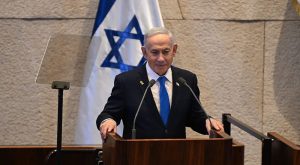 Israeli Prime Minister Benjamin Netanyahu has declared that the ongoing conflict against Iran will not end until Tehran’s stockpile of enriched uranium is removed and its nuclear facilities are dismantled.
Speaking in an interview aired Sunday on CBS’s 60 Minutes, Netanyahu said Iran still retains significant nuclear capabilities despite sustained military operations by Israel and the United States.
According to him, highly enriched uranium remaining in Iran must be taken out completely, while enrichment sites should be dismantled to prevent Tehran from advancing its nuclear programme.
“We’ve degraded a lot of it,” Netanyahu said, referring to Iran’s nuclear infrastructure, missile production capacity and regional proxy networks. “But all that is still there, and there’s work to be done.”
International nuclear monitors estimate that Iran still possesses about 970 pounds of uranium enriched to near weapons-grade level.
When asked how such nuclear materials could be removed, Netanyahu responded: “You go in, and you take it out.”
The Israeli leader noted that a diplomatic agreement would be the preferred option for addressing Iran’s nuclear stockpile, but declined to state what steps could follow if negotiations fail.
Reports indicate that the United States is pushing for a deal that would require Iran to surrender its highly enriched uranium and suspend uranium enrichment activities for at least 12 years, while allowing limited enrichment afterward.
Meanwhile, Iranian President Masoud Pezeshkian reportedly insisted that dialogue with the West would not amount to surrender, stressing that Iran would “never bow” to external pressure.
Iran is also said to have transmitted its response to the latest U.S. peace proposal through Pakistani mediators, according to Iranian state media.
The current conflict escalated in late February 2026 after mediated negotiations between Washington and Tehran collapsed, prompting a joint U.S.-Israeli air campaign against Iran.
Since then, Iran has launched retaliatory missile attacks targeting Israel and parts of the Gulf region, while also disrupting maritime activities along the strategic Strait of Hormuz.