

WHO Raises Alarm Over Israel’s Beirut Evacuation Order, Says Hospitals at Risk
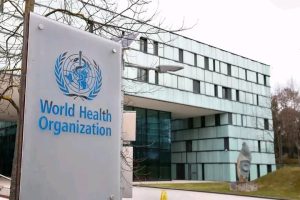 The World Health Organization (WHO) has urged Israel to immediately reverse its evacuation directive for parts of Beirut, warning that the move could severely endanger critical healthcare services and hundreds of vulnerable patients.
Israel’s military had issued an evacuation notice to residents of Beirut’s Jnah district — an area known to be a stronghold of Hezbollah — ahead of anticipated strikes, sparking fresh humanitarian concerns.
Reacting, WHO Director-General, Tedros Adhanom Ghebreyesus, said the order directly threatens two key referral hospitals — Rafik Hariri University Hospital and Al Zahraa Hospital — both of which are already operating at full capacity.
According to him, the facilities are currently caring for about 450 patients, including no fewer than 40 in intensive care units, making any evacuation logistically impossible.
“At this time, no alternative medical facilities are available to receive these patients, rendering their evacuation operationally unfeasible,” Tedros stated.
He further noted that the hospitals are already overwhelmed with casualties from recent airstrikes, worsening the strain on the healthcare system.
The WHO boss added that the designated evacuation zone also covers health ministry facilities and shelters accommodating thousands of displaced civilians, thereby amplifying the humanitarian risks.
“I urge Israel to reverse this order and ensure the protection of all health facilities, health workers, patients and civilians,” he appealed.
Meanwhile, WHO’s latest situation report indicates a sharp rise in attacks on healthcare infrastructure, particularly in Lebanon, affecting hospitals, ambulances and medical personnel, and weakening the overall health system.
The report also highlighted growing challenges in humanitarian access due to airspace restrictions and rising transportation costs, which are hindering the delivery of essential medical supplies.
It warned of broader public health dangers, including damage to critical infrastructure such as water and power systems — developments that could lead to hospital shutdowns and possible disease outbreaks.
WHO stressed that the ongoing escalation of conflict in Lebanon poses both immediate and long-term threats to civilian health, while efforts are ongoing with partners to sustain care delivery and strengthen emergency response mechanisms across the region.