

FG Set to Begin Lagos Ports Upgrade in Q2 2026, Targets Bigger Vessels, Improved Trade
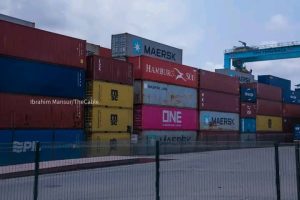 The federal government has announced that the long-awaited upgrade of Apapa and Tin Can Island ports in Lagos is expected to commence in the second quarter of 2026 and is projected to be completed within 48 months.
The development follows the signing of a £746 million export finance deal between Nigeria and the United Kingdom on March 19 to support the redevelopment of the two key ports. Under the agreement, UK Export Finance (UKEF) will guarantee loans for the refurbishment projects, while British Steel will supply 120,000 tonnes of steel valued at £70 million. At least 20 percent of project components will be sourced from the UK, generating approximately £236 million in contracts for British firms.
Speaking on Channels Television, Bolaji Akinola, Special Adviser to the Minister of Marine and Blue Economy, said the project is expected to kick off in the next quarter following the completion of financing arrangements.
“Now that the financing aspect has been resolved with Citibank and UK Export Finance, I am optimistic that work will begin next quarter,” Akinola stated. “Once construction commences, the project is expected to be completed within 48 months.”
The upgrade will include dredging of port channels to accommodate larger vessels. Currently, the maximum draft at Lagos ports is about 13 metres, but the project will increase it to at least 16 metres, allowing ships carrying 10,000 to 20,000 TEUs to berth.
Highlighting the significance of the project, Boma Alabi, Chairman of the Shipping Association of Nigeria (SAN), said: “Apapa and Tin Can ports have not seen meaningful upgrades in over 15 years, despite population growth and increased trade volumes. Modernising our infrastructure is crucial to remaining competitive in the region.”
Finance Minister and Coordinating Minister of the Economy, Wale Edun, added that the initiative aligns with the government’s focus on infrastructure, energy, and industrial development. He emphasized that bilateral partnerships are vital to attracting investment, creating jobs, and reducing poverty under the administration’s “renewed hope” agenda.
The Lagos ports upgrade is widely expected to improve efficiency, boost trade capacity, and restore Nigeria’s position as a major maritime hub in West Africa.