

CNG Directive: Transport Fares Remain High Despite October 1 Target
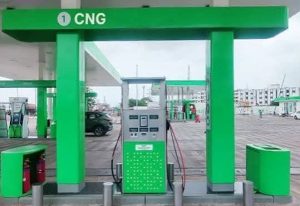 Transport fares have remained largely unchanged across several states despite President Bola Tinubu’s directive for cheaper transportation through the deployment of Compressed Natural Gas-powered buses from October 1.
Checks across states including Osun, Oyo, Ogun, Ondo, Edo, Enugu, Anambra, Delta, Imo, Sokoto, Kebbi, Jigawa, Gombe and Plateau showed that many commuters were still paying the same, and in some cases higher, fares.
While some state governments have introduced subsidised, free or CNG-powered transport services, the schemes remain limited to selected routes, leaving many commuters dependent on commercial operators.
The Chairman of the Presidential Initiative on Compressed Natural Gas and Electric Vehicles, Ismaeel Ahmed, said October 1 was not a deadline for all states to reduce fares simultaneously, but the date from which the Federal Government would begin monitoring fare reductions on routes where CNG and electric vehicles are being used.
He said states including Borno, Kaduna, Zamfara and Ebonyi had already introduced cheaper transport options through CNG and electric vehicles.
However, commuters in several states said they had yet to feel the impact of the initiative.
In Osun State, the state government said it was still waiting for CNG buses promised by the Federal Government, while transport fares remained unchanged.
In Oyo and Ogun states, fares on major routes also remained at existing levels. Similar situations were reported in Ondo, Delta, Imo and Anambra states, with transport operators citing high fuel costs, vehicle maintenance, poor roads and inadequate CNG infrastructure.
Some states have recorded reductions through government-backed schemes. Kaduna, for instance, operates free CNG-powered mass transit on selected routes, while Enugu has government-owned CNG buses charging lower fares than commercial vehicles.
Plateau State also operates subsidised buses at N200 per trip, while Ebonyi provides free transportation for some categories of residents.
However, limited coverage, insufficient CNG buses, a shortage of refuelling facilities and conversion centres remain major challenges to the wider implementation of the initiative.
The Federal Government says it will continue to monitor the rollout and expand the use of CNG and electric vehicles, with the aim of making lower transportation costs available to more Nigerians.