

Election Tension: Tinubu Orders EFCC to Unfreeze Osun Government Accounts
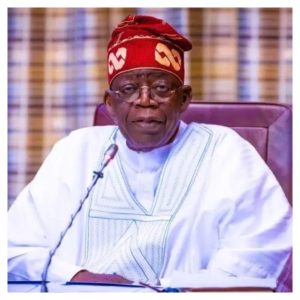 President Bola Ahmed Tinubu has directed the Economic and Financial Crimes Commission (EFCC) to immediately take steps to vacate the court order freezing the bank accounts of the Osun State Government, citing concerns over the timing of the action just days before the state’s governorship election.
The directive was contained in a State House statement issued on Thursday, in which the President described the timing of the EFCC’s action as “inauspicious” and capable of creating the impression that federal institutions were being deployed to influence the electoral process.
The EFCC had secured a court order on Wednesday, August 5, 2026, freezing the state’s accounts as part of an ongoing investigation into the alleged handling of public funds.
Although President Tinubu reaffirmed his commitment to the operational independence of anti-corruption and law enforcement agencies, he said the proximity of the investigation to the August 15 governorship election made it necessary for him to intervene in the interest of democracy.
“Osun State is only a few days away from its governorship election. Nothing should be done to create the impression that the EFCC, or any other agency of the Federal Government, is being used to interfere with the electoral process,” the President said.
Tinubu noted that since assuming office, he has deliberately refrained from interfering in the activities of anti-corruption agencies, allowing them to carry out their constitutional responsibilities without political direction.
He, however, maintained that the overriding public interest and the need to preserve confidence in the credibility and fairness of the electoral process required immediate action.
The President consequently directed the EFCC to return to court without delay to vacate the freezing order and discontinue the legal action against the Osun State Government in relation to the accounts.
He further reaffirmed his administration’s commitment to strengthening democratic institutions, stressing that independent institutions remain essential to good governance, accountability, and the rule of law.