

Pope urges ‘disarming’ of artificial intelligence in major manifesto
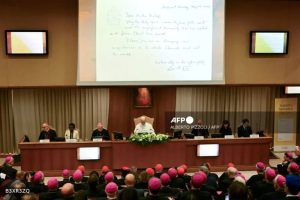 Pope Leo XIV has called for the “disarming” of artificial intelligence, warning against the dangers of unchecked technological competition and the emergence of what he described as “new forms of slavery” linked to AI development.
The Pope made the call in his first encyclical, Magnifica Humanitas (Magnificent Humanity), presented on Monday at the Vatican alongside artificial intelligence experts, including a co-founder of US technology firm Anthropic.
In the document, the pontiff criticised the growing deployment of AI in warfare and warned against allowing machines to make life-and-death decisions.
“It is not permissible to entrust lethal decisions to technology,” he stated.
Pope Leo also argued that the traditional “just war” theory, recently referenced by the administration of former United States President Donald Trump, no longer reflects modern realities.
“It is important to reaffirm that the ‘just war’ theory, which has all too often been used to justify any kind of war, is now outdated,” he wrote.
“No algorithm can make war morally acceptable,” the Pope added.
The encyclical called for artificial intelligence to be developed in ways that prioritise humanity rather than geopolitical rivalry or commercial competition.
“Disarming AI means freeing it from the mentality of ‘armed’ competition,” Leo stated.
“To disarm does not mean rejecting technology, but preventing it from dominating humanity.”
He further stressed that AI systems should remain accessible, transparent and subject to public debate.
The Pope also highlighted ethical concerns surrounding the AI supply chain, pointing to hidden labour exploitation and environmental costs.
“Nothing in the world of AI is immaterial or magical,” he wrote, noting that AI systems rely on the labour of content moderators, factory workers and miners involved in extracting materials essential for technology production.
He warned that technological advancement should not come at the expense of human dignity.
“Greater efficiency or innovation does not excuse a chain of exploitation that remains deliberately hidden,” he said.
The encyclical also called for stronger efforts to reduce AI’s environmental impact and protect global ecosystems.
Pope Leo XIV has made artificial intelligence a central focus of his papacy, building on years of engagement by the Vatican on technology ethics.
In 2020, the Holy See launched the “Rome Appeal for AI Ethics,” a framework aimed at ensuring artificial intelligence respects human rights and dignity.
Experts say Magnifica Humanitas could shape global conversations on technology in a similar way Pope Francis’ 2015 climate encyclical, Laudato Si’, influenced international environmental debates.