

Ebola: NCDC activates emergency surveillance
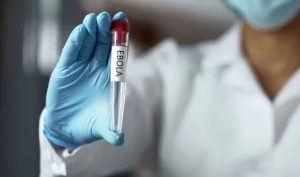 The Nigeria Centre for Disease Control and Prevention (NCDC) has heightened nationwide surveillance and activated emergency preparedness measures following the resurgence of Ebola Virus Disease (EVD) in the Democratic Republic of the Congo (DRC) and a confirmed imported case in neighbouring Uganda.
Although Nigeria has not recorded any confirmed case, the agency said the development has placed the country on alert due to increased cross-border movement within the region.
In a public health advisory issued on Saturday and signed by its Director-General, Dr. Jide Idris, the NCDC said it is working with the Port Health Services of the Federal Ministry of Health and Social Welfare, as well as other partners, to strengthen preventive measures.
The agency noted that response efforts are already ongoing in affected countries, where health authorities have activated surveillance, laboratory testing, contact tracing, infection prevention and control measures, and public awareness campaigns.
Ebola, the NCDC explained, is a severe and highly infectious viral disease transmitted through direct contact with the blood, bodily fluids, secretions, or contaminated materials of infected persons or animals.
Symptoms include fever, weakness, headache, muscle pain, sore throat, vomiting, diarrhoea, and in severe cases, unexplained bleeding. The incubation period ranges from two to 21 days.
To prevent possible importation into Nigeria, the NCDC said it has intensified event-based surveillance nationwide, strengthened laboratory readiness, reinforced infection prevention protocols in healthcare facilities, and expanded risk communication efforts.
“We continue to maintain surveillance systems for Ebola and other epidemic-prone diseases while closely monitoring regional and global developments,” the agency stated.
The NCDC urged Nigerians to remain calm and avoid misinformation, stressing that there is currently no confirmed Ebola case in the country.
It advised citizens to maintain strict hand hygiene, avoid contact with bodily fluids of sick persons, refrain from consuming bushmeat from unknown sources, and report any unusual symptoms promptly to health authorities.
Healthcare workers were also directed to remain vigilant, promptly isolate suspected cases, use appropriate protective equipment, and report cases through official channels.
The agency assured that it will continue to monitor the situation and provide timely updates as developments unfold.