

Obidient Movement Puts Obi Above Nigeria, Raises National Interest Debate — Bwala
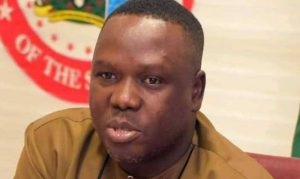 The Special Adviser to President Bola Tinubu on Policy Communication, Daniel Bwala, has criticised a segment of supporters of Labour Party presidential candidate, Peter Obi, popularly known as the “Obidients,” alleging that they place loyalty to their political leader above national interest.
Speaking during an interview on News Central’s programme, 60 Minutes with Mr Kay, Bwala said some members of the group operate as “social media trojans” who prioritise political allegiance over the security and wellbeing of Nigeria.
He described the Obidient Movement as a nationwide coalition of supporters mobilised around Obi’s political ideology, but insisted that certain elements within the movement had taken their loyalty “too far.”
“I know the environment I come from; it’s an environment where there exists a species of ‘Trojans’ of social media called the ‘Obidient,’ who do not care about the national interest or the security of Nigeria and will do everything possible to achieve the aim of their hero, no matter the cost,” he said.
Bwala also referenced his recent appearance on Al Jazeera with Mehdi Hasan, noting that he had undergone throat surgery eight days after the interview, but said he had since recovered and returned to duty.
According to him, the interview was conducted in what he described as an adversarial, opposition-style journalistic approach aimed at discrediting the administration of President Bola Tinubu.
He defended his performance, stating that he repeatedly acknowledged past criticisms he made against President Tinubu during his time in opposition, but urged the interviewer to move on to other issues.
The presidential aide further claimed that persistent questioning on his past statements led to repeated denials during the interview.
President Tinubu, referenced in the comments, is the current Nigerian leader under whose administration Bwala serves.
The remarks are the latest in ongoing political exchanges between government officials and supporters of opposition figures ahead of future political realignments.