

Starmer Rules Out UK Involvement in Wider Iran Conflict
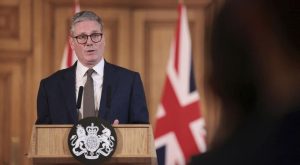 The United Kingdom will steer clear of a broader Middle East war, Prime Minister Keir Starmer said on Monday, even as Britain continues to work with the United States, European partners, and Gulf allies on plans to reopen the Strait of Hormuz, a key shipping route disrupted by the ongoing conflict.
Speaking from 10 Downing Street, Starmer described reopening the strait as “vital” to restore tanker flows and stabilize global markets but warned that the operation would be complex and would not involve a NATO-led mission.
The Prime Minister outlined the UK’s priorities as the conflict enters its third week:
Protecting British citizens and interests in the region.
Defending the UK and its allies while avoiding direct involvement in a wider war.
Pursuing a swift resolution that restores security and stability and curtails Iranian threats to neighbouring states.
Britain is coordinating with partners on strategies to ensure safe passage, including the potential use of mine-hunting drones, though Starmer indicated that London is unlikely to deploy warships. Any operation would involve a coalition of countries rather than a formal NATO mission.
On the domestic front, Starmer announced a £53 million support package for households affected by rising heating oil costs, acknowledging the crisis’s impact at home.
The remarks followed warnings from US President Donald Trump that failure to secure the strait would have serious implications for NATO’s future. While NATO countries have increased security in the Mediterranean, European powers have resisted labelling the crisis as a NATO conflict.
The ongoing situation has already pushed global oil prices above $100 per barrel, reflecting heightened concern over the strait’s closure. Starmer emphasised that the UK would support efforts to restore freedom of navigation while avoiding direct military escalation, balancing international responsibility with national interest.