

Senate Approves Fresh Electoral Act Bill After Heated Debate on Electronic Results Transmission
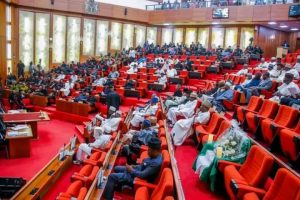
The Nigerian Senate on Tuesday passed the Electoral Act 2022 (Repeal and Re-Enactment) Bill 2026 after a stormy plenary marked by sharp disagreements over provisions on electronic transmission of election results.
The bill was approved following intense deliberations, particularly on Clause 60, which triggered a division after lawmakers clashed over the role of manual result transmission where electronic systems fail.
Tension rose when Senator Enyinnaya Abaribe demanded a formal division on the clause. Senate President Godswill Akpabio initially ruled that the request had earlier been withdrawn, but opposition lawmakers rejected that position, leading to a rowdy session.
Deputy Senate President Barau Jibrin, citing Senate rules, argued that it would be procedurally improper to reopen a matter already decided by the presiding officer. The ruling further fueled protests across the chamber, with some lawmakers openly confronting one another.
Senate Leader Opeyemi Bamidele clarified that he had earlier sponsored a motion for rescission, thereby reopening previously decided provisions and validating Abaribe’s demand for a vote.
Abaribe, relying on Order 72(1), pushed for an amendment to Clause 60(3), seeking to delete the proviso allowing manual transmission of results in the event of technological failure. He argued that result transmission should remain strictly electronic to strengthen transparency and public confidence.
When put to vote through division, 55 senators supported retaining the proviso, while 15 voted against it. The clause was consequently upheld.
Earlier, plenary proceedings were briefly suspended as lawmakers moved into a closed-door session following disagreements during clause-by-clause consideration of the bill.
Bamidele had moved a motion to rescind the earlier passage and recommit the bill to the Committee of the Whole, citing new developments from the Independent National Electoral Commission regarding the scheduling of the 2027 general elections.
According to him, the proposed February election timetable conflicts with statutory provisions requiring polls to be held at least 360 days before the expiration of current tenures. He also noted that the timing overlaps with the Ramadan period, which stakeholders warned could affect turnout, logistics, and overall inclusiveness.
Lawmakers further identified multiple drafting inconsistencies across several clauses, including errors in cross-referencing, numbering, and the Long Title of the bill.
After resolving the disputed areas and correcting technical gaps, the Senate passed the revised Electoral Act Amendment Bill.