

Trump grants temporary waiver for Russian oil sales amid Iran war supply shock
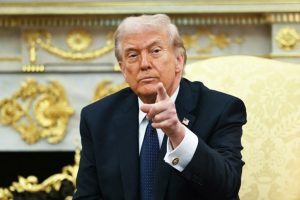 United States President Donald Trump has approved a 30-day waiver allowing countries to purchase sanctioned Russian oil stranded at sea, as Washington moves to stabilise global energy markets disrupted by the ongoing conflict involving Iran.
US Treasury Secretary Scott Bessent said the decision, though “unfortunate,” was necessary to address supply shortages and rising global oil prices triggered by the war.
He explained that the temporary measure is aimed at preventing a severe energy deficit while broader efforts to stabilise the market are implemented.
As part of those efforts, the United States is also set to release 172 million barrels of oil from its Strategic Petroleum Reserve, contributing to a wider International Energy Agency (IEA) plan in which 32 member countries will collectively release about 400 million barrels.
The waiver could affect around 100 million barrels of Russian crude currently stranded at sea, according to Russian presidential envoy Kirill Dmitriev.
Dmitriev criticised European opposition to the move, saying further easing of restrictions on Russian energy exports now appears inevitable.
“The further easing of restrictions on Russia’s energy supplies appears increasingly inevitable, despite resistance from some Brussels bureaucrats,” he wrote on Telegram.
However, the decision has drawn criticism from analysts and activists who argue that it could indirectly strengthen Russia’s war effort in Ukraine.
Roman Sheremeta, a professor of economics at Case Western Reserve University in Ohio, described the waiver as a “backstabbing of Ukraine,” particularly after Kyiv reportedly cooperated with Western allies to counter Iranian drone operations.
Sheremeta argued that easing restrictions on Russian oil could provide Moscow with additional financial resources.
“It means more missiles; more drones,” he wrote in a post on LinkedIn.
Sanctions campaigners also warned that the move risks undermining efforts to pressure Russia economically.
According to Alexander Kirk, a sanctions campaigner with environmental group Urgewald, Russia has already earned billions of dollars from fossil fuel exports since hostilities involving Iran escalated.
“Every time sanctions are weakened when energy prices rise, the message to the Kremlin is clear: wait long enough and the West will blink,” Kirk said in a statement.
Activists further warned that allowing additional Russian oil into global markets could boost the Kremlin’s revenues, potentially weakening Western foreign policy efforts and raising security concerns across Europe.