

REA, ECOWAS Partner to Electrify Universities, Health Centres in FCT, Niger, Nasarawa
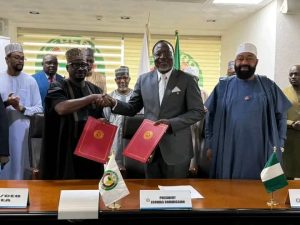
The Rural Electrification Agency (REA) has signed a $700,000 Memorandum of Understanding (MoU) with the Economic Community of West African States (ECOWAS) Commission to provide solar-powered electricity to healthcare centres and 15 public universities across the Federal Capital Territory (FCT), Niger and Nasarawa states.
The agreement, formalized on Monday under the Regional Off-Grid Electricity Access Project (ROGEAP), is backed by ECOWAS grant funding and aligns with efforts to expand access to off-grid electricity across West Africa and the Sahel, with support from the World Bank.
Under the partnership, ECOWAS will fund the installation of solar PV systems in rural health centres and schools, while REA will serve as the technical and financial implementing agency. A dedicated Project Implementation Unit (PIU) will be established within REA to coordinate the scheme alongside ROGEAP’s steering committee.
Speaking at the signing ceremony, Abba Aliyu, REA’s Managing Director/CEO, said:
“This partnership demonstrates how regional cooperation can accelerate national development. Electrifying schools and health centres improves learning, healthcare delivery, and community growth.”
For his part, Omar Alieu Touray, President of the ECOWAS Commission, described Nigeria’s pilot phase as a cornerstone of the regional strategy to eradicate energy poverty, adding that:
“Providing sustainable solar solutions to schools and clinics is not just about lighting buildings; it’s about powering the future of West Africa.”
In a complementary move, REA signed an MoU with the Niger State Government to secure access to ECOWAS funding and ensure state-level support for project sites. Governor Mohammed Bago lauded the initiative, noting it aligns with his administration’s ‘New Niger’ agenda, which prioritises sustainable infrastructure for rural communities.
REA confirmed that the dual-level partnership will improve energy reliability, reduce dependence on diesel generators, lower operating costs, and promote clean energy adoption, in line with Nigeria’s national energy policies.