

US Sanctions Bill: Ndume Says Inclusion of Kwankwaso Misplaced, Demands Clarity
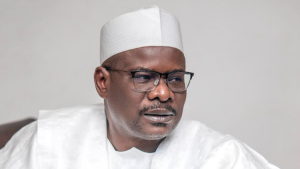
Senator Ali Ndume, representing Borno South Senatorial District, has described as inappropriate the inclusion of former Kano State Governor, Rabiu Musa Kwankwaso, in a proposed United States congressional bill seeking sanctions over alleged religious freedom violations in Nigeria.
Speaking on a Channels Television programme on Friday, Ndume said he was surprised that Kwankwaso was specifically named in the proposed legislation and called for greater transparency on the basis for the move.
He said singling out a former governor in such an international measure raises questions, suggesting that those behind the bill may be relying on intelligence not available to the public. According to him, sanction proposals and asset freezes by foreign governments against selected Nigerians appear misplaced and should be better justified.
The proposed legislation, titled Nigeria Religious Freedom and Accountability Act of 2026, was introduced by five US lawmakers and seeks targeted sanctions, including visa bans and asset freezes, against certain individuals and organisations over alleged severe violations of religious freedom. Among those listed are Kwankwaso and two cattle breeders’ associations.
Ndume argued that rather than branding Nigeria broadly, foreign governments should focus on specific individuals responsible for wrongdoing. He maintained that most Nigerians are law-abiding and should not be collectively labeled over the actions of a few actors.
Reacting to the development, the Kwankwasiyya Movement rejected the inclusion of Kwankwaso’s name in the bill, describing it as politically motivated and unsupported by verifiable records. The group called for his immediate removal from the proposed sanctions list.
A chieftain of the New Nigeria Peoples Party also faulted the bill, questioning the rationale for singling out one individual in a matter involving religion and terrorism, and describing the approach as unfair.
As of the time of filing this report, Kwankwaso had not issued an official personal response to the proposal.
On the security situation in Nigeria, Ndume reiterated his support for possible foreign military assistance, including from the United States, to tackle worsening insecurity, particularly in the North-East. He said many citizens in affected communities would welcome external support if it guarantees safety and stability.
He noted that while concerns exist about foreign military presence, the immediate priority should be restoring peace and protecting lives, stressing that urgent help is necessary where local capacity is overstretched.