

Why Prince Gboyega Famodun Must Not Receive a Royal Burial By Alaiyeluwa Ọbadio Dr. Yẹmi Ọdẹtọla
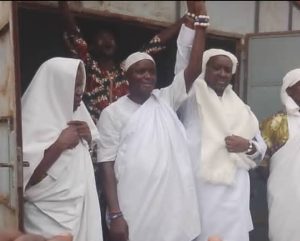
As the spiritual custodian of Igbajo traditions and the voice of Ọmọlufẹ, I feel compelled to address an issue that has stirred much debate in our community: the burial of the late Prince Gboyega Famodun. While we mourn his untimely death and pray for the continuation of his legacy, there is an important matter of tradition and heritage that must not be overlooked.
Prince Famodun’s ascension to the throne was unconventional. Initially, he showed no interest in the Ọbaship process, preferring to focus on his political role as chairman of the APC in Osun State. Only after political circumstances changed did he enter the process midstream, bypassing requirements that all princes were expected to fulfill. His installation was carried out without consultation with the Ọbadio—the head of the Ọmọlufẹ and the custodian of our sacred rites. A stranger was brought in to perform rituals that were the exclusive responsibility of the Ọmọlufẹ, sidelining the very institution that safeguards our town’s customs.
Even during his brief reign, Prince Famodun made no effort to reconcile with the Ọmọlufẹ or address these missteps. This is not a matter of personal grievance; it is about respecting centuries-old traditions. In Igbajo, no Ọwa can be buried without the proper rites conducted by the Ọmọlufẹ. Missing this sacred procedure is not only a breach of tradition but brings spiritual consequences to the town.
It is deeply troubling that, even in death, some seek to override established customs. The sacred role of the Ọmọlufẹ must be acknowledged at every stage—from ascension to burial. Those who attempt to force their way risk destabilizing our community and undermining the foundations of Igbajo society.
My position is clear: Prince Gboyega Famodun cannot and must not be given a kingly burial. I appeal to those seeking to disregard our traditions to pause and reflect. Let us honor our heritage and protect the sacred institutions that have preserved Igbajo’s identity for generations. Failing to do so could have consequences far more serious than the current controversy.
Alaiyeluwa Ọbadio Dr. Yẹmi Ọdẹtọla, The Arole Ọdọlọfin of Igbajoland, writes from England, UK.