

Nasarawa Pushes for State‑Policing, Governor Says States Can Fund Their Own Force
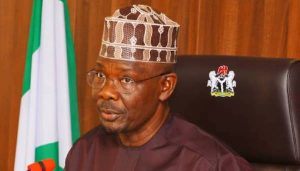
Nasarawa State Governor, Abdullahi Sule, yesterday urged urgent passage of bills for state police, saying Nigerian states — including Nasarawa — can fund and run their own security forces to tackle rising kidnappings and banditry across the North.
The governor told ARISE News that 35 of the country’s 36 governors had long endorsed state policing even before the current wave of insecurity, adding that the matter now rests with the National Assembly of Nigeria.
Sule argued that Nasarawa has the financial capacity to maintain a modest, well‑equipped force. “We don’t need 20,000 policemen; 5,000 properly paid and equipped would suffice to cover our state,” he said.
He said his administration resisted shutting down schools — unlike in neighbouring states — because only a few institutions faced credible threats. Joint security deployments involving police, army, air force and civil defence were sent to vulnerable schools.
Reacting to the recent release of abducted schoolgirls in another state, Sule applauded the efforts of security agencies and the Bola Tinubu government, but noted that the greatest relief belongs to the bereaved parents. He recalled that Nigeria had earlier experienced waves of kidnappings — in the Niger Delta — and expressed hope that the current crisis would also subside in time.
On international cooperation, Sule welcomed assistance from foreign partners, but stressed that collaboration with neighbouring countries such as Niger, Chad, Cameroon and Mali remains crucial, since many attackers transit through those borders. He noted that insecurity has long plagued Nigeria, and that tracking criminals is usually a protracted, difficult process.
He also dismissed claims by the United Nations World Food Programme that hunger — exacerbated by insecurity — has worsened in northern states, saying the picture in Nasarawa does not reflect that. He pointed out that the state’s economy was improving, food prices falling, and that the ongoing new rice‑production initiative would ensure affordable food for residents.