

No Funds, No Progress: Obidient Movement’s Mobilisation Director Resigns
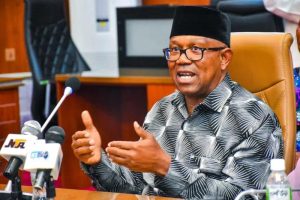
The Director of Mobilisation of the Obidient Movement, Morris Monye, has resigned, citing lack of funding and unmet strategic goals within the organisation.
In a statement on his X handle on Thursday, Monye placed the blame on the National Leader of the movement, former Labour Party presidential candidate Peter Obi, saying key short, medium, and long-term plans remain unachieved.
“Almost a year down the line, most of our plans have not been met. I won’t be part of optics and no work,” Monye said. He added that the poor performance of the movement during the Anambra governorship election made his position “untenable.”
Monye claimed he personally financed nationwide mobilisation activities, including travel, voter awareness campaigns, logistics, and local support structures, without any financial backing from the movement’s leadership or Obi.
“No money was given to the Directorate of Mobilisation. There’s no bank account even for the directorate. Mr Obi has never enquired about our activities — no communication, nothing,” he stated.
Highlighting his contributions, Monye said he introduced an online registration system for Obidients, revived dormant support groups, established regional offices, and launched the Obidient NextGen university campus network. He also raised funds for the Anambra governorship campaign and initiated a plan to equip polling agents with affordable body cameras, a project he urged his successor to complete.
The outgoing director said he had submitted his resignation to Obi, National Coordinator Dr Yunusa Tanko, and his state coordinator. He will now focus on personal business ventures and plans to pursue a business course at Oxford or Cambridge University, while continuing advocacy for good governance and electoral reform.
Advising the movement’s leadership, Monye called for professional consultants, adequate funding for directorates, and a results-driven structure to ensure accountability.
Describing his time in the movement as a “privilege,” Monye said it was time for “someone else to carry the mantle.”