

Abati Blames APC for Trump’s Military Threat Against Nigeria
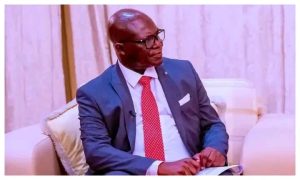
Veteran journalist and former presidential aide, Reuben Abati, has attributed the recent threat of U.S. military action against Nigeria to the failures of the All Progressives Congress (APC).
Speaking on Arise Television’s Morning Show on Monday, Abati stressed that the current situation was a direct outcome of the ruling party’s governance lapses and urged the APC to take responsibility in resolving the crisis.
He dismissed claims that the United States was targeting Nigeria for its natural resources, insisting that such assertions were baseless.
President Donald Trump had recently designated Nigeria as a “Country of Particular Concern,” citing alleged ongoing violence against Christians and the government’s failure to protect religious minorities. The Nigerian government, however, has strongly denied any persecution of religious groups.
On Saturday, Trump intensified his warning, threatening possible military intervention if the situation was not addressed promptly.
Abati advised President Bola Tinubu to consult elder statesmen and experienced diplomats to manage the crisis effectively. He said:
“I don’t subscribe to the argument that America is coming for our oil. They are not. They are even supplying crude oil to the Dangote Refinery. They are not buying our gas from Nigeria LNG; they are sourcing it elsewhere. But there is complexity, contradictions that we must address.
Some say, ‘Oh, they are coming for our resources, as in Libya and Syria.’ No, we should not demarket our country, but we must support the government. President Tinubu should seek guidance from experienced hands. We need adults in the room, not small people who think they know everything.
Tinubu should call on Obasanjo, Anyaoku, TY Danjuma, Babangida—people with experience. This is the mess APC has created, and they must correct it through decisive action.”
Abati’s comments have intensified debates over the handling of Nigeria’s foreign relations and the alleged threats to religious groups in the country.