

Nigerians must put pressure on govt to ensure amendment in electoral laws – Kingibe
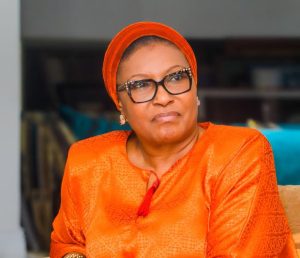 The Senator representing the Federal Capital Territory (FCT), Ireti Kingibe, has called for sustained public pressure on the government to drive reforms in Nigeria’s electoral laws, saying such amendments are necessary to strengthen democratic processes.
Kingibe made the call during an interview on Arise Television on Monday, where she addressed concerns around electoral procedures and the need for systemic reforms.
She dismissed claims that Nigeria’s ballot papers lack security features, insisting that safeguards have always been in place.
“Since when and in what election have we ever conducted where INEC ballot papers did not have security measures, that you can bring any type of ballot paper and vote with it? It’s never happened,” she said.
The senator explained that she had previously participated in extensive legislative and stakeholder engagements aimed at improving electoral credibility, involving the National Assembly, INEC, and civil society organisations.
“For two years we worked on a document that was acceptable. We did a bicameral sitting, not just the Senate, but the Senate and the House, as well as INEC and some CSOs,” she said.
According to her, the final outcome of that process was later altered, raising concerns about the integrity of the reforms.
“We came up with a document that we felt would give us free and fair elections, but every aspect of it was turned upside down. Now tell me why?” she asked.
Kingibe also questioned the value of electoral technology if it is not fully deployed during elections, arguing that reforms must be backed by proper implementation.
“Why go to the expense of electronic and digital devices if you say you don’t have to use them? Why bother?” she said.
She noted that electoral reforms are often difficult to achieve, stressing that meaningful change usually comes only when there is sustained public demand.
“There’s a need for it and it will be amended when there is enough pressure,” she added, referencing past constitutional interventions such as the “doctrine of necessity.”