

Kwankwaso Resigns from NNPP, Signals Political Realignment
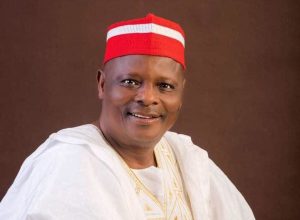 A former Governor of Kano State and presidential candidate of the New Nigeria People’s Party (NNPP) in the 2023 elections, Rabiu Musa Kwankwaso, has resigned from the party with immediate effect.
Kwankwaso announced his exit in a statement on Sunday, citing the need for political realignment amid shifting dynamics ahead of the 2027 general elections.
“I wish to formally announce my resignation from the New Nigeria People’s Party (NNPP) with immediate effect,” he said.
The former governor described the decision as difficult, given his longstanding involvement with the party, but noted that current political realities necessitated a strategic shift.
“As a committed member of the party, this was not an easy decision to make. However, considering the current trajectory of the nation’s political landscape, which calls for strategic realignment, I have found it necessary to identify with another political platform,” he stated.
Kwankwaso expressed appreciation to the NNPP leadership, including National Chairman Ajuji Ahmed, as well as members of the National Working Committee, Board of Trustees, and party structures across all levels.
He also acknowledged the support of the Kwankwasiyya Movement and party faithful, pledging continued collaboration in pursuit of national development.
While he did not disclose his next political destination, sources within the African Democratic Congress (ADC) indicate that he is expected to formally join the party.
According to party insiders, the former governor may be received by the ADC leadership, including National Chairman David Mark and National Secretary Rauf Aregbesola, in a formal declaration expected in Kano.
The development comes just a day after Kwankwaso met with former Vice President Atiku Abubakar in Abuja, where both leaders held discussions on the state of the nation—further fuelling speculation of an emerging opposition coalition.
Kwankwaso’s defection is expected to significantly reshape the political landscape ahead of 2027, particularly within the opposition bloc seeking to challenge the ruling All Progressives Congress (APC).