

Poverty Rate Hits 63% Under Tinubu, Obi Sounds Alarm
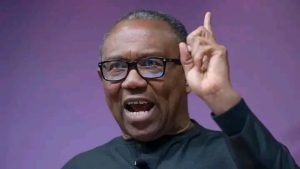 Former presidential candidate of the Labour Party, Peter Obi, has raised serious concerns over the worsening poverty situation in Nigeria, warning that the country’s economic reforms under President Bola Tinubu have pushed millions more into poverty.
Obi, in a post on his X handle on Monday, cited a recent policy study by Agora Policy, supported by the Nigeria Economic Stability and Transformation Programme (NESTP) and the UK’s Foreign, Commonwealth and Development Office (FCDO), which revealed that Nigeria’s poverty rate surged from around 40 percent before the current reforms to over 63 percent.
He described the trend as alarming, noting that for a population exceeding 220 million, this translates to more than 140 million Nigerians now living below the poverty line.
“Families across the country are struggling to afford basic necessities such as food, rent, healthcare, and transportation. Many are cutting down on meals, walking long distances, living without electricity, or borrowing just to survive,” Obi said.
The former Anambra State governor also highlighted the collapse of small businesses, which he described as the backbone of the economy. He stressed that economic progress cannot be measured when the majority of citizens are becoming poorer.
Obi further criticised what he termed lavish spending by public officials, pointing out the stark contrast between the elite’s comfort and the hardship faced by ordinary Nigerians.
“Leadership must lead by example, especially during tough times. You cannot ask citizens to fast while you feast. Sacrifice must start from the top,” he said.
He urged the government to implement genuine, people-centred reforms that protect vulnerable households, strengthen small businesses, and expand local production. Obi emphasised that reforms which exacerbate poverty, increase inequality, and stifle small enterprises cannot be considered successful.
“Despite Nigeria’s vast human and natural resources, effective leadership requires prudence, compassion, and accountability. Success should be measured by the well-being of ordinary Nigerians, not by the comfort of a few elites,” he concluded.