

2027 Polls: Atiku Kicks as INEC Fixes Election Dates Within Ramadan
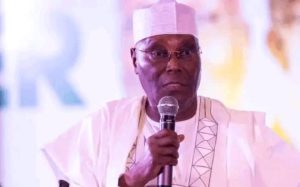
Former Vice-President, Atiku Abubakar, has urged the Independent National Electoral Commission (INEC) to urgently review and reschedule the dates announced for the 2027 general elections, describing the timing as insensitive and poorly considered.
INEC had announced that the presidential and National Assembly elections would hold on February 20, 2027, while governorship and state assembly polls are scheduled for March 6, 2027, in line with constitutional provisions.
However, the proposed dates fall within the Islamic holy month of Ramadan, projected to run from about February 8 to March 10, 2027, according to the Islamic calendar — a development that has triggered widespread reactions across social media and political circles.
Speaking at a press briefing in Abuja, INEC leadership defended the timetable, stating that the schedule complies with the 1999 Constitution (as amended). The commission maintained that adequate legal and logistical considerations informed the decision.
Reacting in a statement, Atiku said conducting elections during a period of fasting and intense spiritual devotion for millions of Muslims could hinder voter participation and strain citizens physically and mentally.
He stressed that elections are major national exercises that require broad inclusion, active participation, and full public engagement, not just administrative convenience.
According to him, fixing such a crucial civic activity within a sensitive religious period shows a lack of socio-religious awareness and weakens public confidence in the commission’s preparedness.
He argued that in a plural society like Nigeria, careful and inclusive planning of election dates is essential, adding that acceptable timing reflects institutional competence and respect for citizens’ realities.
Atiku further questioned the commission’s judgment, saying that errors in basic scheduling raise concerns about its ability to deliver credible, free, and fair elections in 2027.
The election timetable has continued to generate debate, with stakeholders calling for broader consultations and possible adjustments to ensure maximum voter turnout and national consensus.