

Kwara Launches Fertiliser Distribution to Boost Dry Season Farming
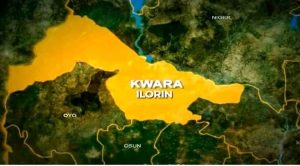
The Kwara State Government has officially commenced the distribution of fertilisers to farmers engaged in dry season farming across the state, in a move aimed at promoting year-round agricultural production and strengthening food security.
The programme was flagged off in Ilorin on Friday by the Commissioner for Agriculture and Rural Development, Mr. Afees Abolore Alabi.
In a statement issued on Saturday by the ministry’s Press Secretary, Ashaolu Omotola, Alabi said the intervention was designed to shield farmers from the impact of rising input costs and to ensure sustained productivity.
He explained that the fertiliser distribution is structured to support farmers despite market challenges, stressing that continuous cultivation is critical to stabilising food availability and improving farmers’ resilience.
However, the commissioner warned beneficiaries against diverting or selling the fertilisers, stressing that offenders would face prosecution.
“These inputs are strictly for farming purposes. Anyone found selling or misusing them will be prosecuted under the law,” he said.
Alabi reaffirmed the state government’s commitment to farmer-focused policies that promote continuous cultivation, expand production capacity, and position agriculture as a key driver of economic recovery and inclusive growth in Kwara State.
The State FADAMA Programme Project Coordinator, Mr. Isiaka Toyin Busari, represented by the Head of Technical, Abdulmalik Zubairu, commended the government for its timely intervention and effective collaboration.
“The initiative underscores the state’s dedication to impactful programme delivery for farmers,” he said.
One of the beneficiaries, Mr. Soliu Yahaya, described the fertiliser distribution as a major boost for off-season farming, noting that access to inputs would enhance productivity and sustain livelihoods.
Farmers from all 16 local government areas benefited from the distribution, which is expected to support the cultivation of key crops and improve food availability across the state.